

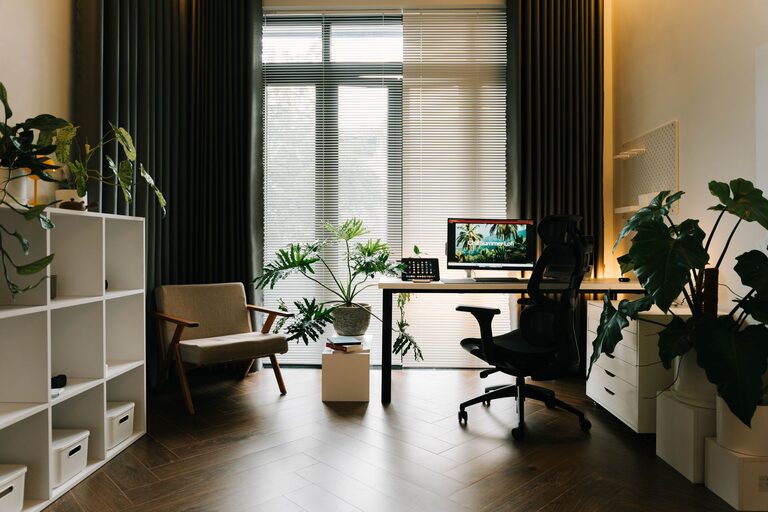
Creating a home office space that feels both cozy and productive can transform the way you work from home. Whether you have a dedicated room or a small corner, designing an environment that inspires focus while providing comfort is key to maintaining work-life balance and boosting efficiency. Here are some practical tips to help you create your ideal home office space.
Choose the Right Location
The foundation of a productive home office begins with selecting the ideal spot. Consider these factors:
– Natural Light: Working near a window can improve mood and reduce eye strain. Aim for a space with ample daylight.
– Quiet Environment: Pick a spot away from busy household areas to minimize distractions.
– Space Availability: Even a small nook can work if organized well, but make sure there’s enough room for your desk and chair.
Invest in Comfortable Furniture
An ergonomic setup promotes longer, more comfortable work sessions without strain or fatigue.
– Desk: Choose a desk that fits your space and offers enough surface area for your essentials.
– Chair: A supportive, adjustable chair is essential to maintain good posture. Look for chairs with lumbar support and adjustable height.
– Additional Seating: Consider a cozy armchair or small sofa if you want a space to read or take breaks.
Personalize Your Space
Adding touches that reflect your personality can make the office feel inviting and motivate you to spend time there.
– Colors: Use soft colors like light blues, greens, or warm neutrals to create a calming atmosphere.
– Art and Décor: Hang inspiring artwork or photos that uplift your mood.
– Plants: Incorporate greenery to purify air and add a touch of nature.
Organize Efficiently
An organized workspace reduces stress and helps you focus on tasks.
– Storage Solutions: Use shelves, filing cabinets, or baskets to keep documents and office supplies tidy.
– Cable Management: Keep cords and chargers untangled with clips or cable organizers.
– Desk Layout: Keep only essential items on your desk to avoid clutter.
Optimize Lighting
Good lighting is crucial for reducing eye strain and maintaining energy throughout the day.
– Natural Light: Maximize window space, but consider blinds or curtains to reduce glare.
– Task Lighting: Use adjustable desk lamps for focused lighting during work.
– Ambient Lighting: Soft overhead lights or lamps can create a warm, inviting environment.
Minimize Distractions
Creating boundaries and minimizing interruptions helps keep you productive.
– Noise Control: Use noise-cancelling headphones or background music if household noise is an issue.
– Defined Work Hours: Establish a schedule and communicate it with family or housemates.
– Separate Work and Leisure: Avoid working in spaces dedicated solely to relaxation or entertainment.
Incorporate Technology Wisely
Ensure your office is equipped with technology that supports your work without overwhelming the space.
– Reliable Internet: A stable connection is essential for virtual meetings and smooth workflow.
– Peripheral Devices: Invest in quality keyboards, mice, and monitors to enhance comfort.
– Charging Stations: Create convenient spots to charge your devices without clutter.
Take Breaks and Stay Active
A cozy and productive office also encourages healthy habits.
– Movement: Include a space to stretch or do quick exercises.
– Break Zone: If possible, have a designated spot for short breaks away from your desk.
– Hydration and Snacks: Keep water and healthy snacks nearby to maintain energy.
Maintain Your Space Regularly
A clean, well-kept office promotes continued productivity.
– Daily Tidying: Spend a few minutes at the end of each day to organize.
– Weekly Cleaning: Dust surfaces and vacuum to keep the environment fresh.
– Review and Adjust: Periodically assess your setup and make changes as needed.
—
By thoughtfully designing your home office to be both cozy and productive, you create a space that supports your work goals and well-being. With the right balance of comfort, organization, and functionality, your home office can become a place you enjoy spending time in every day.